San Diego DOL Doctors: What to Expect at Your Appointment
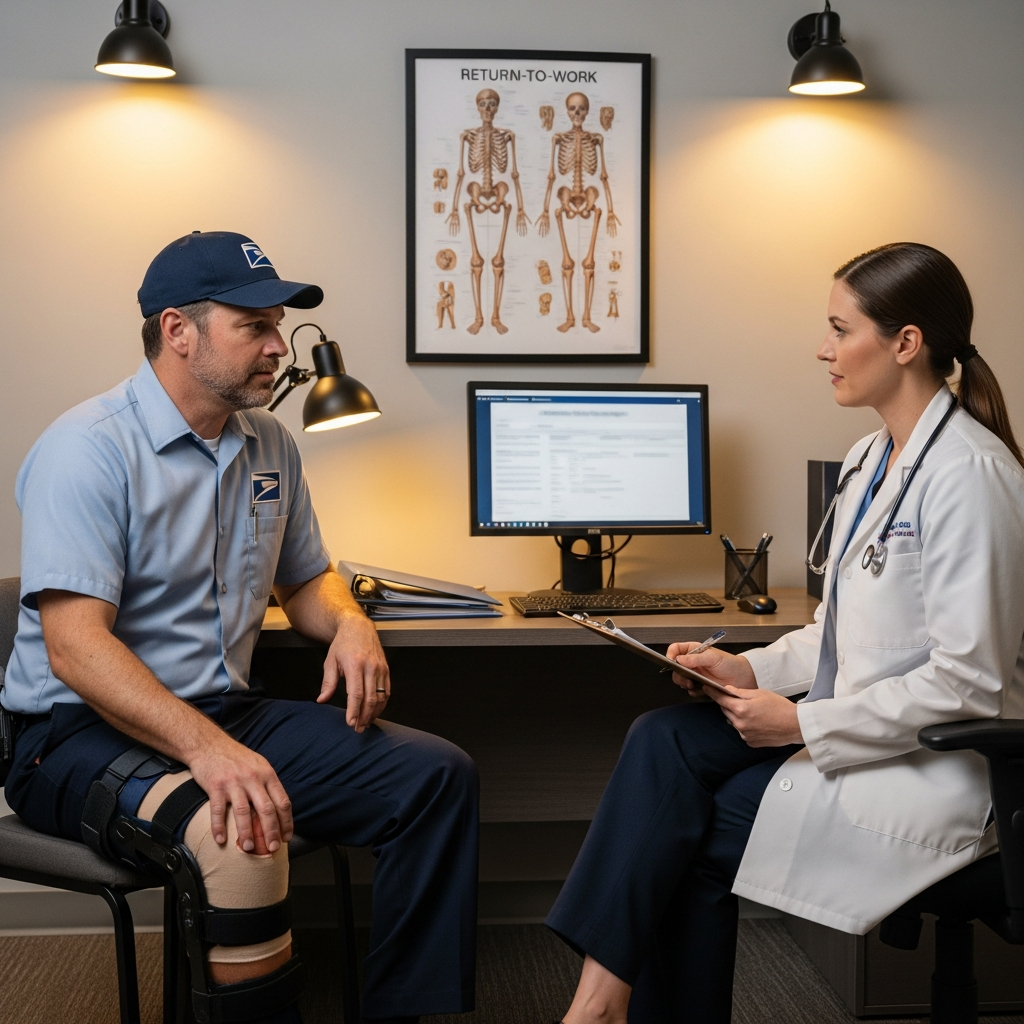
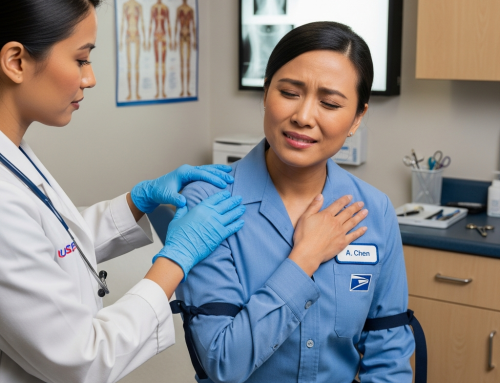
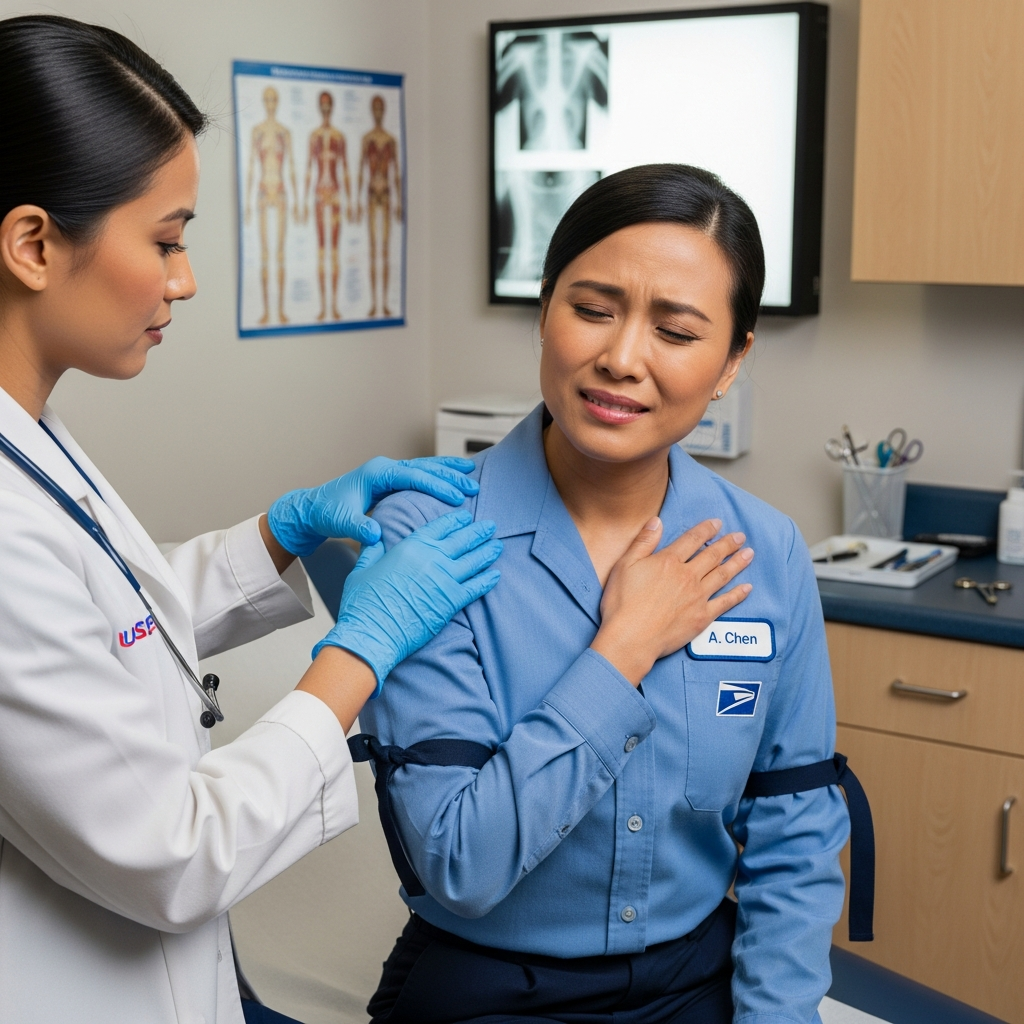
You’re sitting in your car outside the medical building, hands gripping the steering wheel a little too tightly. The appointment you’ve been putting off for months – maybe years – is finally here. Your regular doctor mentioned something about needing to see a “DOL physician” for your work injury, and honestly? You have no clue what that even means.
Is this going to be like every other medical appointment where you wait forty-five minutes just to have someone poke at your shoulder for three minutes and tell you to “take it easy”? Will they actually listen to how this injury has been affecting your sleep, your mood, your ability to pick up your kids? And what’s with all these forms they sent you – do they really need to know about that ankle sprain from high school?
Here’s the thing about DOL (Department of Labor) doctors in San Diego – they’re not your typical physician visit. These appointments can literally determine whether you get the workers’ compensation benefits you need, the treatment that actually helps, and the support to get your life back on track. No pressure, right?
But here’s what nobody tells you beforehand: going in blind to a DOL appointment is like showing up to a job interview without knowing what position you’re applying for. You might get through it, but you’re probably not going to get the results you deserve.
I’ve talked to hundreds of patients over the years who walked out of these appointments feeling confused, frustrated, or – worst of all – like they weren’t heard. Sarah, a nurse from Hillcrest, told me she spent twenty minutes describing her chronic back pain only to have the doctor focus entirely on her range of motion tests. “I felt like I was speaking a different language,” she said.
The truth is, DOL doctors aren’t trying to be difficult – they’re just operating under a completely different set of rules than your family physician. They’re looking for specific things, documenting particular details, and yes, they really do need to know about that old ankle injury (more on that later…).
Think of it this way: if your regular doctor is like your family mechanic who knows your car’s history and quirks, a DOL doctor is more like the insurance adjuster who needs to assess exactly what happened and what it’ll take to fix it. Different role, different approach, but equally important for getting you the care you need.
What makes this even more complicated is that San Diego has dozens of DOL-approved physicians scattered across the county – from downtown high-rises to suburban strip malls. Some specialize in orthopedics, others in occupational medicine. Some have been doing this for decades, others are relatively new to the workers’ comp world. The experience can vary wildly depending on who you see and how well-prepared you are.
That’s where this guide comes in. We’re going to walk through everything you need to know before stepping into that appointment. What questions they’ll ask (and why they’re asking them). What tests they might perform – and which ones actually matter for your case. How to communicate your symptoms in a way that gets documented properly. Even practical stuff like what to wear and what to bring.
You’ll also learn how to navigate some of the trickier aspects of these appointments – like when the doctor seems to be rushing, or when they ask about pre-existing conditions, or when you’re not sure if that weird pain in your elbow is related to your work injury or just… life.
We’ll cover the different types of DOL appointments you might encounter – because there’s a big difference between an initial evaluation and an independent medical exam. Plus, what happens after your appointment and how to make sure your case keeps moving forward.
Look, I won’t sugarcoat it – these appointments can feel intimidating. But when you know what to expect and how to prepare, you’re much more likely to walk out feeling confident that you’ve been heard and that your case is moving in the right direction.
Because at the end of the day, this isn’t just about jumping through bureaucratic hoops. It’s about getting the medical care and financial support you need to heal, to work again, to sleep through the night without pain. You deserve that, and you deserve to go into this appointment feeling prepared and empowered.
What Exactly Is a DOL Doctor Anyway?
Let’s start with the basics, because honestly? The whole DOL thing can be pretty confusing at first. DOL stands for “Doctor of Obesity and Lipidology” – which is basically a fancy way of saying these physicians have specialized training in weight management and how fats work in your body.
Think of it like this: if your regular doctor is a general contractor who can handle most home repairs, a DOL doctor is the specialist you call when you need someone who really knows plumbing. Except instead of pipes, they’re experts in metabolism, hormones, and all the complex stuff that makes weight loss so much harder than “just eat less and move more.”
Most DOL doctors have completed additional fellowship training beyond their regular medical degree. They’ve spent extra years diving deep into the science of obesity – not just the “calories in, calories out” stuff you’ve heard a million times, but the real nitty-gritty of how your body actually processes food, stores fat, and regulates hunger.
The Science Behind Medical Weight Loss
Here’s where things get interesting… and honestly, a bit counterintuitive. For decades, we’ve been told that weight is simply a matter of willpower. Eat less, move more, problem solved. But DOL doctors understand something different – that obesity is actually a chronic medical condition, kind of like diabetes or high blood pressure.
Your body has this incredibly complex system for managing weight, involving dozens of hormones, your brain chemistry, your gut bacteria, and even your genetics. It’s like trying to conduct an orchestra where half the musicians are playing different songs and some of the instruments are out of tune.
When this system gets disrupted – whether through genetics, stress, medications, or just living in our modern food environment – your body starts fighting against weight loss. That’s why you can follow the same diet that worked for your friend and get completely different results. It’s not about being “weak” or lacking discipline.
What Makes San Diego’s Approach Different
San Diego has become something of a hub for advanced weight management, partly because of the research happening at institutions like UC San Diego and Scripps. The DOL doctors here tend to be on the cutting edge of new treatments and approaches.
What you’ll find here that might surprise you is how… scientific it all is. We’re talking comprehensive lab work, body composition analysis, metabolic testing – the works. Some clinics even use continuous glucose monitors (you know, those little sensors diabetics wear) to see how your body responds to different foods in real time.
It’s like having a high-tech dashboard for your metabolism. Pretty cool, actually.
Beyond the Scale: What DOL Doctors Actually Look At
Here’s something that might blow your mind – many DOL doctors don’t even focus primarily on the number on the scale. I know, I know… it sounds weird for weight loss doctors, right?
Instead, they’re looking at things like
– Your metabolic health markers – Body composition (muscle vs. fat) – Energy levels and sleep quality – Hormonal balance – How your body processes different macronutrients
Think of it like this: if weight loss was just about the scale, it would be like judging a car’s performance solely by its color. The real story is under the hood – how efficiently your engine (metabolism) is running, whether all your systems are working together properly, and what kind of fuel works best for your particular model.
The Medication Conversation
This is probably where things get most interesting… and maybe a little overwhelming. DOL doctors have access to medications that can actually help with weight loss – not just appetite suppressants from the 90s, but newer drugs that work with your body’s natural weight regulation systems.
Some of these medications mimic hormones your gut naturally produces to signal fullness. Others work on brain chemistry to reduce cravings. It’s not about forcing your body to do something unnatural – it’s more like giving it the tools to do what it’s supposed to do.
Of course, medication isn’t right for everyone, and good DOL doctors will be very clear about that. They’re not just prescription mills – they’re looking at the whole picture of your health and what approach makes the most sense for your specific situation.
The key thing to understand is that these aren’t “magic pills.” They’re tools that can make the process easier and more sustainable, but they work best as part of a comprehensive approach that includes nutrition, movement, and lifestyle changes.
What to Bring (Beyond the Obvious Paperwork)
Sure, you’ll need your ID and insurance card – that’s a given. But here’s what most people forget: bring a list of every supplement you take. I’m talking everything – that vitamin D gummy, the fish oil capsules, even that random protein powder your trainer recommended. DOL doctors need to see the complete picture, and you’d be surprised how many supplements can interfere with weight loss medications.
Also? Grab your phone and take photos of all your prescription bottles before you go. The lighting in those exam rooms isn’t great for squinting at tiny print, and your doctor will want exact dosages and frequencies.
One more thing – and this might sound weird – but bring a snack. These appointments can run long, especially your first one, and the last thing you want is to get hangry while discussing your relationship with food.
The Real Talk About Medical History
They’re going to ask about *everything*. Your sleep patterns, stress levels, how many times you’ve tried to lose weight before… it can feel invasive, honestly. But here’s the thing – they’re not judging you. They’re looking for patterns.
When they ask about previous diets, be specific. “I tried everything” doesn’t help them help you. Instead, mention that you did great on keto for three months but couldn’t sustain it, or that intermittent fasting worked until work stress kicked in. These details matter way more than you might think.
And about those “embarrassing” questions regarding bathroom habits and energy levels? They’re asking because certain medications can affect these things. The more honest you are now, the better they can tailor your treatment later.
The Physical Exam Isn’t What You Think
Most people expect to be poked and prodded extensively, but DOL appointments focus more on baseline measurements. Yes, they’ll check your weight and blood pressure – but they’re also looking at things like your skin (some medications can cause changes) and asking about joint pain or mobility issues.
The body composition analysis is where it gets interesting. If they have an InBody scanner or similar device, you’ll step onto what looks like a fancy scale that measures muscle mass, water retention, and fat distribution. It’s actually pretty cool – like getting a detailed report card for your body.
Here’s a pro tip: wear comfortable, lightweight clothes and avoid eating a big meal beforehand. The measurements will be more accurate, and you’ll feel more comfortable during the process.
Questions You Should Actually Ask
Forget the generic “How much weight will I lose?” question. Instead, ask things like
“What happens if I travel frequently for work?” or “How will this affect my sleep schedule?” These practical concerns matter way more in the long run.
Ask about the timeline for adjusting medications. Some doctors start conservatively and ramp up slowly – others might be more aggressive. Understanding their approach helps set realistic expectations.
And here’s one most people don’t think to ask: “What should I do if I can’t reach your office during a crisis?” Some clinics have 24/7 nurse lines, others want you to go to urgent care. Better to know this upfront.
The Follow-Up Schedule Reality Check
Your first appointment might feel like drinking from a fire hose – lots of information, new medications, dietary changes. Don’t expect to remember everything. Most good DOL doctors will schedule your first follow-up within two weeks, not a month.
These early check-ins aren’t just about weight loss progress (though that’s part of it). They’re monitoring how you’re tolerating medications, whether you’re experiencing side effects, and if the initial plan is actually workable for your lifestyle.
Some clinics use apps or patient portals for quick questions between visits. Ask about this – it’s incredibly helpful when you’re wondering if that mild nausea is normal or if you can take your medication with that new prescription your dentist gave you.
Setting Realistic Expectations for Day One
You probably won’t walk out with a magic solution. What you *will* get is a plan – one that might feel overwhelming at first. That’s normal. Most people need a few weeks to settle into the new routine.
Don’t be surprised if they want additional lab work or if they suggest starting with lifestyle changes before adding medications. This isn’t them being difficult – it’s them being thorough. The goal is sustainable results, not a quick fix that backfires in six months.
When Your Expectations Don’t Match Reality
Here’s what nobody tells you about that first DOL appointment: you’re probably going to walk out feeling a little… deflated. Not because anything went wrong, but because reality has this way of being more complex than the success stories you’ve been reading online.
You might’ve expected to walk out with a clear-cut plan – take this, eat that, lose 30 pounds by summer. Instead, you’re looking at bloodwork that needs reviewing, medications that take weeks to show effects, and lifestyle changes that feel overwhelming when you’re already struggling just to get through your day.
That disappointment? It’s completely normal. And honestly, it might be the most important part of your process.
The Insurance Maze That Makes No Sense
Let’s talk about the elephant in the room – insurance coverage for weight loss medications. Even with a DOL prescription, you might find yourself staring at pharmacy bills that make your eyes water. GLP-1 medications can cost $1,000+ per month without coverage, and insurance companies… well, they’re not exactly rushing to approve these claims.
Your San Diego DOL doctor will likely discuss this upfront, but here’s what actually helps: come prepared with questions about patient assistance programs, alternative medications, and realistic timelines for insurance appeals. Some doctors work with specialty pharmacies that can navigate prior authorizations more effectively than your corner CVS.
Also – and this might sting a bit – have a backup plan for paying out of pocket for at least a month or two while insurance sorts itself out. Yes, it’s expensive. Yes, it’s frustrating that life-changing healthcare isn’t more accessible. But going into it with realistic expectations beats the shock of discovering costs later.
Your Body Doesn’t Read the Textbooks
Those clinical trial results showing steady, predictable weight loss? Your body didn’t get that memo. Some weeks you’ll lose nothing. Other weeks, the scale might even go up despite doing everything “right.” You might experience side effects that aren’t mentioned in the glossy brochures, or find that what works for your friend leaves you feeling awful.
This is where having a good relationship with your DOL doctor becomes crucial. They need to know when you’re nauseated every morning, when the medication makes you feel weird, or when you’re convinced nothing is working. These aren’t failures – they’re data points that help customize your treatment.
Keep a simple log on your phone. Not an elaborate food diary (unless that genuinely helps you), but notes about how you’re feeling, any side effects, energy levels, appetite changes. When you’re sitting in that follow-up appointment trying to remember how last month went, you’ll thank yourself for those quick notes.
The Social Minefield Nobody Warns You About
Here’s something that’ll catch you off guard: people have opinions about your weight loss method. Strong ones. You’ll hear everything from “That’s cheating” to “Why don’t you just eat less?” to well-meaning friends sharing articles about “natural” alternatives.
Your neighbor’s going to tell you about their cousin who lost weight doing keto. Your coworker will mention how they “did it the old-fashioned way.” Some people will act like you’ve taken the easy way out, as if struggling with weight for years was somehow not trying hard enough.
Here’s your permission slip: you don’t owe anyone an explanation for your healthcare choices. A simple “I’m working with my doctor on what’s best for me” shuts down most conversations. For the persistent questioners, “I’d rather not discuss my medical treatment” works wonders.
When Progress Feels Impossibly Slow
The hardest part might not be the physical side effects or the cost – it might be the waiting. Weight loss with DOL medications isn’t the dramatic transformation you see in before-and-after photos. It’s gradual, sometimes frustratingly so.
You’re looking for changes week by week, but meaningful results often take months. Your clothes might fit differently before the scale budges. You might feel more energetic or notice decreased appetite before seeing visual changes. These victories matter, even when they don’t photograph well for social media.
Set smaller milestones that aren’t scale-dependent. Maybe it’s walking up stairs without getting winded, or realizing you forgot to think about food for a few hours, or simply feeling more like yourself again. These moments are as valuable as any number on a scale – sometimes more so.
Remember, your San Diego DOL doctor is seeing patients navigate these exact challenges every day. They’re not expecting perfection from you, and you shouldn’t expect it from yourself either.
Setting Realistic Expectations for Your Weight Loss Timeline
Let’s talk about what you’re probably wondering most: how long is this going to take?
Here’s the thing – and I wish I could give you a neat little timeline with a bow on top – but weight loss with DOL doctors isn’t a sprint. It’s more like… well, think of it like renovating your kitchen. You know it’s going to take longer than you initially hoped, there’ll be some unexpected bumps along the way, but the end result? Totally worth it.
Most patients start seeing some changes within the first 2-4 weeks. Not dramatic, Instagram-worthy transformations (those usually come later), but real changes. Maybe your clothes fit differently, or you’re not thinking about food every twenty minutes. Some people drop 5-10 pounds in that first month, others might see 2-3 pounds but feel significantly better. Both are completely normal.
The real momentum usually builds around months 2-6. This is when patients often tell me, “Oh wow, I actually *get* this now.” Your appetite settles into a new rhythm, the medication feels less foreign in your system, and – here’s the kicker – you start believing this might actually work.
What Happens Between Appointments
Your doctor will likely schedule follow-ups every 2-4 weeks initially, then space them out as you find your groove. Don’t worry – they’re not going to abandon you to figure this out alone.
Between visits, you’ll probably keep a food diary (I know, I know… but it’s actually pretty eye-opening), track your weight, and note any side effects. Some clinics have apps for this, others go old school with paper logs. Either way, this isn’t busy work – it’s data that helps your doctor fine-tune your treatment.
You might also get blood work done periodically. Nothing scary, just checking that everything’s humming along nicely under the hood. Think of it like getting your car serviced – routine maintenance to keep things running smoothly.
Normal Ups and Downs (Yes, There Will Be Downs)
Can we talk about plateau weeks? Because they’re going to happen, and when they do, you might feel like throwing your scale out the window.
Some weeks, the number on the scale will stubbornly refuse to budge. Other weeks, it might even go up a pound or two (hello, hormones, stress, that extra glass of wine last weekend…). This is completely, utterly, 100% normal. Your body isn’t a machine – it’s a complex, sometimes moody system that doesn’t always cooperate with our timelines.
I’ve seen patients get discouraged during these plateaus, thinking the medication has stopped working or they’ve somehow “broken” their progress. Usually? It’s just your body taking a breather, reorganizing itself. Kind of like how your computer sometimes needs to restart to run properly again.
Building Your Support System
Your DOL doctor is obviously your main guide, but you’ll want to think about your broader support network too. Maybe that’s a nutritionist, a therapist who specializes in eating behaviors, or even just a friend who gets what you’re trying to do.
Some patients find online communities helpful – people going through similar experiences who understand why you’re excited about losing two pounds or frustrated about a restaurant meal that didn’t sit well with your medication. Others prefer keeping things more private, checking in mainly with their medical team.
There’s no right way to do this. Figure out what feels supportive without feeling overwhelming.
Preparing for Long-term Success
Here’s what I want you to really understand: this isn’t just about reaching a number on the scale and then going back to how things were before. The most successful patients use this time to build new habits, new relationships with food, new ways of handling stress that don’t involve eating half a bag of chips while watching Netflix.
Your doctor will probably start talking about maintenance strategies well before you reach your goal weight. This might feel premature (you’re thinking, “Can we just focus on losing the weight first?”), but it’s actually smart planning.
Think of it this way – you wouldn’t climb Mount Everest without planning your descent, right? Same principle here. The goal isn’t just getting the weight off; it’s keeping it off and feeling good while you do it.
Most patients stay on some form of medication long-term, and that’s perfectly okay. This isn’t a failure – it’s treating a medical condition that benefits from ongoing medical management.
You know what? Taking that first step to see a DOL doctor doesn’t have to feel so overwhelming. Sure, there’s paperwork and questions and maybe some nervousness about what they’ll find – but here’s the thing: these appointments are designed around *you* and what your body actually needs.
Your DOL doctor isn’t there to judge your past attempts at weight loss or make you feel guilty about where you are right now. They’re genuinely invested in figuring out the puzzle that is your metabolism, your hormones, your lifestyle… all those pieces that make your situation unique. And honestly? That’s pretty refreshing in a world of one-size-fits-all diet advice.
What Happens Next
After your appointment, you’ll likely feel a mix of relief and anticipation. Relief because someone finally listened – really listened – to your concerns. Anticipation because you’re looking at a plan that’s actually tailored to how your body works, not some generic approach you could find in any magazine.
The beautiful part about working with a DOL-certified physician is that they understand weight loss isn’t just about willpower. They get that your body might be working against you in ways you never realized. Maybe your insulin resistance has been sabotaging every diet attempt, or perhaps your hormones have been playing tricks on your metabolism for years.
You’re Not Alone in This
Here’s something I want you to remember: feeling frustrated with previous weight loss attempts doesn’t mean you’re broken or lacking motivation. It often means you just hadn’t found the right approach yet. These doctors see patients every day who’ve tried everything – and I mean *everything* – before walking through their doors.
You might walk out with a prescription for medication you’ve never heard of, or a eating plan that seems almost too good to be true. Trust the process. Your doctor has seen what works, and more importantly, they’ve seen what doesn’t work and why.
Taking the Next Step
If you’ve been sitting on the fence about scheduling that appointment… well, what are you waiting for? I know it feels like a big decision – and it is – but it’s also just a conversation. One conversation that could change how you think about your health, your body, and what’s actually possible for you.
The worst thing that happens? You spend an hour talking to someone who specializes in exactly what you’re struggling with. The best thing? You finally get answers that make sense.
Don’t let another month slip by wondering “what if.” San Diego has some incredible DOL doctors who are genuinely passionate about helping people reclaim their health and confidence. They’re not going to pressure you into anything – they’re going to listen, evaluate, and offer you options based on real medical science, not Instagram trends.
Ready to see what a personalized approach to weight loss actually looks like? Reach out to a DOL-certified physician in San Diego today. Your future self will thank you for taking this step – and honestly, you deserve to feel supported in this process instead of struggling through it alone.