San Diego OWCP Forms: Filing Best Practices
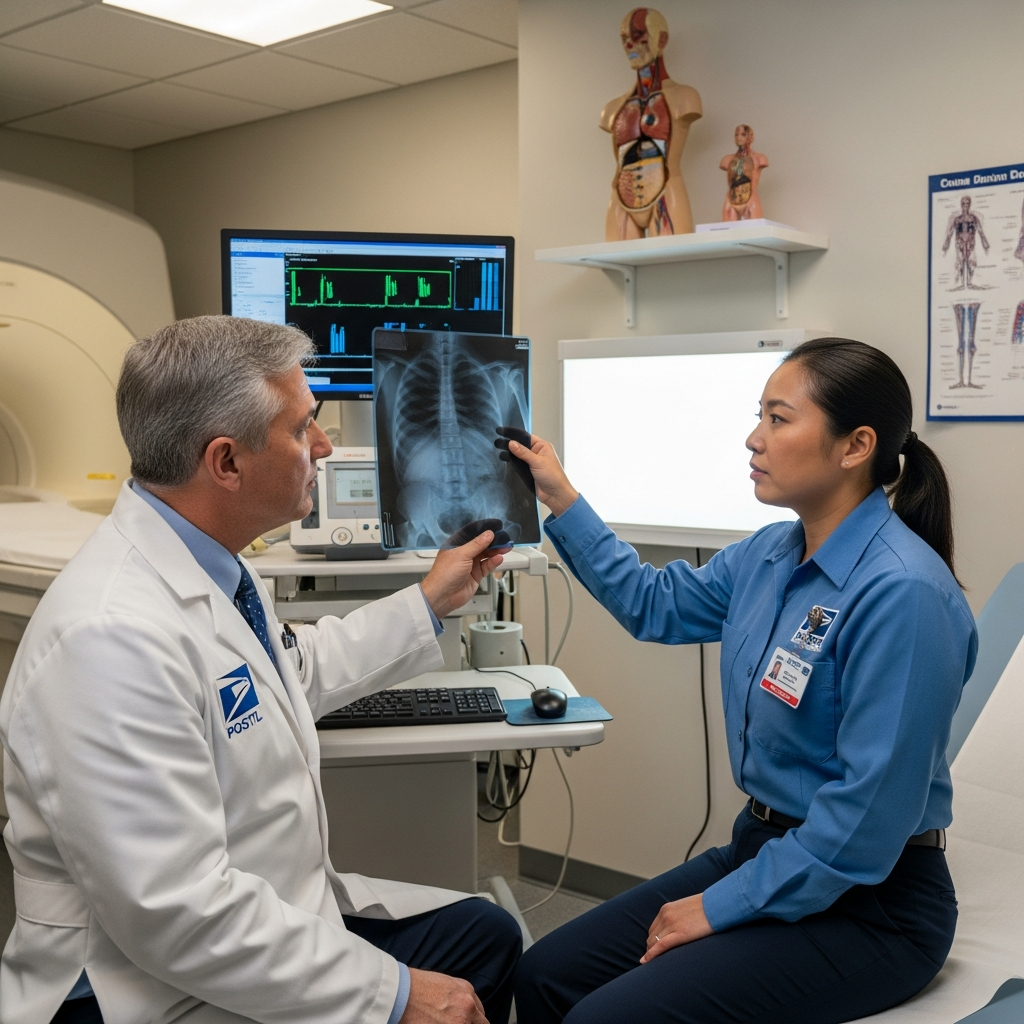
Picture this: You’ve just gotten hurt on the job. Maybe it’s a postal worker in Chula Vista who threw out their back lifting a heavy mail bin, or a federal security officer in downtown San Diego who took a fall during a routine patrol. The injury is real, the pain is real – and now someone’s handing you a stack of forms that look like they were designed by a committee that genuinely hates human beings.
You’re already hurting. And now this.
Here’s the thing nobody tells you upfront – how you fill out those OWCP forms matters just as much as the injury itself. A legitimate, serious workplace injury can get delayed, underpaid, or even denied simply because of paperwork errors that seem minor but aren’t. A wrong date here, a vague description there, a missed signature somewhere in the middle… and suddenly you’re fighting a bureaucratic battle while you should be focused on healing.
That’s not fair. But it’s the reality.
San Diego has one of the largest concentrations of federal workers in the entire country – and that makes sense when you think about it. We’ve got naval bases, the VA, postal facilities, border protection, federal courts, and dozens of other agencies spread across this city. Which means thousands of people here are potentially eligible for OWCP (that’s the Office of Workers’ Compensation Programs, if you’re just getting familiar with the term) benefits every single year. And yet, the process trips people up constantly.
We see it all the time. Workers who waited too long to file. Workers who filed on time but described their injury in ways that were technically accurate but strategically useless. Workers who didn’t realize their treating physician needed to be authorized, or who chose a doctor who wasn’t familiar with OWCP documentation requirements. Every one of those situations can slow your claim to a crawl – or stop it entirely.
Actually, that last point about physicians is worth flagging early, because it surprises people. The doctor you see doesn’t just treat you – they become part of your claim. Their notes, their forms, their language all feed directly into whether your case moves forward smoothly or gets stuck in review. It’s a little like having a co-author on a book you desperately need to get published.
So what makes San Diego specifically interesting – and sometimes complicated – for OWCP claims? Well, the sheer volume of federal employment here means the local district offices process a significant caseload. That’s not necessarily bad, but it does mean your paperwork needs to be clean and complete the first time, because there’s not always someone on the other end who has bandwidth to track you down about a missing detail.
There are also some local considerations around medical provider networks, proximity to the VA system (which operates separately but creates some confusion), and the cross-border nature of some federal work assignments that can create questions about jurisdiction and documentation. None of this is insurmountable. It just means you need to go in informed.
This article is going to walk you through the forms that matter most, the mistakes that derail claims most often, and the specific steps you can take to give your case the strongest possible foundation. We’ll talk about the CA-1 versus the CA-2 and when to use which one – because yes, that distinction matters more than you’d think. We’ll cover how to describe your injury in a way that’s both honest and precise. We’ll get into deadlines, because OWCP is not forgiving about those. And we’ll talk about what happens after you file, so you’re not just waiting in the dark wondering if anyone actually received your paperwork.
You don’t need to become an OWCP expert overnight. But you do need enough knowledge to protect yourself – because the workers’ comp system, as well-intentioned as it is, doesn’t hold your hand through the process. It expects you to show up prepared.
The good news? With the right information, this is very manageable. Thousands of San Diego federal workers successfully navigate OWCP claims every year. There’s no reason yours shouldn’t be one of them.
Let’s get into it.
What OWCP Actually Is (And Why It Matters)
If you’ve ever tried to navigate a federal benefits system, you already know it can feel a bit like assembling furniture without the instructions. OWCP – the Office of Workers’ Compensation Programs – is the branch of the U.S. Department of Labor that handles work-related injury and illness claims for federal employees. Not private sector workers, not state employees. Federal.
That distinction matters more than people realize. If you’re a postal worker, a federal law enforcement officer, a civilian DOD employee – anyone on the federal payroll – OWCP is your system. And the forms it requires are specific, sometimes redundant-seeming, and honestly? A little unforgiving if you get them wrong.
The Three Programs Under OWCP’s Umbrella
Here’s something that trips people up early: OWCP isn’t one program. It’s actually an umbrella covering several different compensation programs, and which one applies to you depends on your job.
Most San Diego federal employees dealing with workplace injuries will fall under FECA – the Federal Employees’ Compensation Act. That’s the big one. But there’s also the Longshore and Harbor Workers’ Compensation Act (relevant if you work in maritime industries around San Diego’s busy port), and the Energy Employees Occupational Illness Compensation Program for certain DOE workers.
We’re going to stay focused mostly on FECA here, because that’s what the majority of people searching for OWCP help in San Diego actually need. But just know the umbrella exists – so if someone tells you “OWCP doesn’t cover you,” it might be worth asking which program they’re referring to.
How Claims Actually Flow Through the System
Think of an OWCP claim like a relay race. You’re the first runner, and how cleanly you hand off that baton – meaning your forms, your documentation, your timing – affects everything that comes after.
The basic flow looks something like this: an injury or illness occurs, the employee reports it, forms get filed with the employing agency, the agency forwards everything to OWCP, and then OWCP makes a determination about whether to accept the claim. From there, medical treatment, compensation for lost wages, and potential vocational rehabilitation can all come into play.
Simple enough in theory. In practice, each handoff in that relay is an opportunity for something to stall, get rejected, or require a correction. Which is why getting the fundamentals right from the start isn’t just bureaucratic box-checking – it genuinely shapes your outcome.
The Part That Confuses Almost Everyone
Here’s something counterintuitive that catches people off guard: OWCP is not your employer’s workers’ comp insurance. It’s a federal program, administered federally, and your employing agency is essentially a stakeholder in the process – not the decision-maker.
Your agency’s human resources or injury compensation staff will help you file, they’ll submit forms on their end, and they have a legitimate role. But OWCP itself – sitting in its district office – makes the actual call on whether your claim gets accepted. This means you can do everything right with your agency and still have issues if the paperwork reaching OWCP isn’t complete or accurate.
Actually, that reminds me of something worth flagging: San Diego falls under OWCP’s San Francisco district office jurisdiction. Not a local office. So if you’re trying to track down who’s handling your claim or need to contact someone directly, you’re looking further north than you might expect.
Why Timeliness Is Built Into the System
There are deadlines woven into OWCP filing, and they’re not just suggestions. The general rule for traumatic injuries is that claims should be filed within three years of the injury date – but here’s the catch: the sooner you file, the better. Waiting doesn’t just risk missing deadlines. It creates gaps that OWCP will notice.
Think of it like a paper trail – and paper trails get harder to reconstruct the older they get. Witness memories fade, supervisors change, medical records get harder to connect to a specific incident. Filing promptly isn’t about rushing through something important. It’s about protecting the integrity of your own claim while the details are still fresh and verifiable.
There’s also the matter of notifying your supervisor – which has its own timeline requirements, separate from the formal claim filing. We’ll get into the specifics of individual forms shortly, but just hold onto this idea: in OWCP, timing and documentation aren’t administrative afterthoughts. They’re woven into whether your claim succeeds.
Build Your Paper Trail Before You Need It
Here’s something most federal workers don’t realize until it’s too late – the OWCP isn’t going to come asking for your documentation. You have to hand it over, organized and complete, or your claim sits in limbo. Start a dedicated folder (physical or digital, doesn’t matter) the moment you experience a work-related injury or illness. Timestamp everything. And when I say everything, I mean every doctor’s visit receipt, every email to your supervisor, every prescription bottle label. You’ll thank yourself later.
One practical move that gets overlooked constantly: photograph your workstation, your injury, or whatever environmental factor contributed to your condition. A photo from your phone with an automatic date stamp is legitimate supporting evidence. OWCP reviewers are human beings – they respond to specifics, not vague descriptions.
The CA-1 vs. CA-2 Decision Actually Matters
This is where a lot of San Diego federal workers stumble right out of the gate. The CA-1 is for traumatic injuries – a single identifiable incident, like slipping on a wet floor at the post office. The CA-2 is for occupational disease – conditions that developed over time, like carpal tunnel from years of repetitive motion. Filing the wrong form doesn’t just create delays, it can give OWCP grounds to question the legitimacy of your claim entirely.
If you’re genuinely unsure which applies to you… talk to your workers’ comp representative before you file. Most federal agencies in San Diego have an Employee Resource Center contact who can clarify this without you having to commit to one form. Don’t guess.
Get Specific on the CA-1 Description Section
The “describe how the injury occurred” section is where most claims lose steam. “I hurt my back at work” tells a claims examiner nothing useful. You want to write something closer to this: “On Tuesday, March 4th, while transferring a 40-pound mail container from the sorting conveyor to a ground-level pallet at the Chula Vista Processing and Distribution Center, I felt sharp pain in my lower lumbar region. I reported the incident to my supervisor, James Chen, within the hour.”
See the difference? Date, location, physical action, specific body part, witness. That’s a claim that moves forward. Actually, the witness piece is something people consistently forget to include – even a coworker who *heard* you mention the pain immediately after can be valuable.
Your Treating Physician Is a Critical Partner
In San Diego, you have access to a huge network of OWCP-authorized physicians – which is great, but also means your choice matters. Your doctor needs to understand how to complete the CA-17 (duty status report) and the supporting medical narratives that OWCP requires. Not all physicians are familiar with the federal workers’ comp system, and a well-intentioned but improperly documented medical report is almost as problematic as no documentation at all.
Ask your doctor directly: “Have you worked with OWCP claims before?” It’s a fair question. If they haven’t, consider requesting a referral to someone who has – especially for complex or long-term conditions.
Don’t Miss the Filing Deadlines (They’re Not Flexible)
This one is non-negotiable. For traumatic injuries on a CA-1, you have three years from the date of injury to file – but you should notify your supervisor within 30 days to preserve your rights. For occupational disease on a CA-2, the three-year clock starts from when you first became aware of the condition *and* its relationship to your work. That second part trips people up constantly.
San Diego’s FECA district office processes claims, but the actual decisions come from the national OWCP processing centers. Build in time for that. File early. File complete.
After You Submit – Don’t Go Silent
A lot of people file their forms and then just… wait. Meanwhile, their claim is sitting there with a missing form or an unanswered request for clarification that never made it to their inbox. Log into the ECOMP portal regularly. Check your spam folder for correspondence from DOL. If you haven’t heard anything within 45 days of submission, follow up proactively with the claims examiner assigned to your case.
The squeaky wheel really does get the grease here. Polite, persistent follow-up signals that you’re engaged and serious – and it keeps your claim from falling through administrative cracks.
The Parts Nobody Warns You About
Let’s be real for a second. Most guides about OWCP forms read like they were written by someone who has never actually sat down with a stack of paperwork, a throbbing work injury, and a deadline looming over their head. So here’s what actually trips people up – and what you can genuinely do about it.
The “Date of Injury” Trap
This one catches people constantly, and honestly, it makes sense why. If you hurt your back lifting equipment on a Tuesday but didn’t report it until Thursday because you thought it would just go away… which date do you use? The actual injury date. Always. Using the reporting date instead of the true date of injury is one of the most common reasons claims get delayed or questioned.
For occupational diseases – things that develop over time, like repetitive stress injuries or hearing loss – this gets even murkier. You’re not pinpointing a single moment, you’re describing a process. In these cases, document when you first noticed symptoms AND when a medical professional confirmed the connection to your work. Keep both dates straight in your head, because OWCP will ask about both.
Your Supervisor Isn’t Filing the Form – You Still Have to
Federal employees in San Diego often assume their agency handles everything once they report an injury. They don’t. Or at least, not completely. You need to file Form CA-1 (traumatic injury) or Form CA-2 (occupational disease) yourself. Your supervisor completes their section, yes – but waiting around assuming someone else submitted your claim? That’s how you miss the critical 30-day window for CA-1 claims that can affect your pay continuation rights.
If you’re recovering from a serious injury and paperwork is the last thing on your mind… find someone you trust to help. A union rep, a family member, or a workers’ compensation attorney can assist without taking over your claim.
Medical Evidence: The Gap Problem
Here’s a frustrating truth – even a completely legitimate injury can get denied because of gaps in medical treatment. OWCP reviewers look for consistent, documented care that directly ties your injury to your job duties. If you saw a doctor once, felt a little better, stopped going, and then needed treatment three months later, that gap becomes a problem you’ll have to explain.
The solution isn’t to rack up unnecessary appointments. It’s to keep your treating physician in the loop even when you’re improving. A brief follow-up note in your file saying “patient progressing, continuing modified duties” does more than you’d think. Also – and this matters especially in San Diego where so many federal employees work near military installations – make sure your doctor understands OWCP documentation requirements. Not every physician does. Some are genuinely unfamiliar with the narrative report format OWCP expects, and a well-meaning but vague note can derail an otherwise solid claim.
The Continuation of Pay Confusion
Continuation of Pay (COP) – the 45 days of paid leave you may be entitled to after a traumatic injury – is one of the most misunderstood benefits in the entire system. People either don’t know it exists, or they assume it’s automatic.
It’s not automatic. Your agency can controvert your COP claim under certain circumstances, and if that happens, you have a very short window to respond. If you receive any notice questioning your COP, treat it like an urgent letter, not routine mail.
When the Forms Come Back Incomplete
OWCP will send your paperwork back if something’s missing. This feels defeating – especially when you’ve already been dealing with an injury, medical appointments, and possibly reduced income. The most common culprits are missing signatures (yours or your supervisor’s), vague injury descriptions, and incomplete medical authorization forms.
The fix? Before you submit anything, read every single field. If something seems optional, fill it in anyway. Vague forms invite follow-up questions. Specific, detailed forms tend to move faster.
Deadlines Actually Matter Here
This isn’t the kind of bureaucratic process where a missed deadline results in a gentle reminder. Miss certain filing windows and you can lose benefits entirely. CA-1 claims should be filed within 30 days of injury for full COP eligibility. CA-2 claims have a three-year statute of limitations, but earlier is genuinely better – memories fade, witnesses change jobs, documentation disappears.
If you’re unsure whether you’ve missed something, contact the San Diego OWCP district office directly. Asking costs nothing. Assuming you’re fine when you’re not? That can cost you everything.
What to Expect After You Submit
Here’s the honest truth: filing your OWCP paperwork is really just the beginning. A lot of federal workers submit their forms and then… wait. And wait. And then wonder if something went wrong. Usually, nothing has gone wrong – that’s just how this process moves.
Once your initial forms are submitted to your agency’s injury compensation program administrator (ICPA), they’ll forward everything to the Department of Labor’s Office of Workers’ Compensation Programs. That handoff alone can take time. We’re talking days, sometimes weeks, depending on your agency’s internal process and how backed up they are. San Diego federal facilities vary quite a bit here.
After DOL receives your claim, they’ll assign a case number and a claims examiner. You should receive written acknowledgment of that – hold onto it. That case number becomes your lifeline for every phone call, every follow-up, every piece of correspondence from here on out.
Realistic Timelines (No Sugarcoating)
People always want to know: how long will this take? And the genuinely frustrating answer is – it depends. But let’s give you some rough benchmarks so you’re not flying blind.
For a traumatic injury claim (CA-1), initial decisions can sometimes come within a few weeks if everything is clean and complete. “Clean and complete” is doing a lot of work in that sentence, by the way. Missing signatures, inconsistent dates, or medical documentation that doesn’t clearly connect your injury to your job duties? That’ll slow things down significantly.
Occupational disease claims (CA-2) tend to take longer – often several months – because the burden of establishing a causal link between your work conditions and your condition is higher. Your claims examiner may request additional medical evidence, specialist opinions, or even send you to a second opinion physician. That’s normal. It doesn’t mean they’re denying you. It means they’re building the record.
If your claim is accepted and you need ongoing treatment, expect a rhythm of prior authorizations, periodic medical updates, and the occasional request for documentation you thought you already sent. That last part, unfortunately, is just part of the experience.
When You Don’t Hear Anything
Silence is not confirmation. If several weeks have passed and you haven’t received acknowledgment from DOL, follow up. You can contact the DOL’s National Contact Center or reach out through your ICPA. Document every call – who you spoke with, when, what they said. Seriously, treat this like you’re building a paper trail, because you are.
It’s also worth knowing that the 18-month continuation of pay (COP) period for traumatic injuries doesn’t mean 18 months of automatic payments. COP can be interrupted or controverted by your agency if they believe the injury wasn’t work-related or the paperwork was deficient. This catches people off guard. Know your rights around COP before you assume that income is locked in.
Your Role Going Forward
Here’s something that surprises a lot of claimants – this process requires your ongoing participation. It doesn’t just run in the background while you focus on recovering. You’ll need to respond to correspondence within stated deadlines (missing these can be genuinely damaging to your claim), keep your medical providers submitting the right documentation codes, and stay in communication with your ICPA.
Actually, one of the most underestimated steps is making sure your treating physician understands the OWCP billing and reporting requirements. A well-meaning doctor who isn’t familiar with federal workers’ comp documentation can inadvertently create gaps in your medical record that complicate your claim later.
Getting Help When It Gets Complicated
If your claim gets denied, or if you receive a controversion notice, that’s not the end – it’s a signal to get more organized support. You have the right to appeal, and there are union representatives, OWCP specialists, and legal professionals who work specifically with federal employees in the San Diego area.
Don’t try to navigate a disputed claim alone. The process has enough moving parts that having someone in your corner who knows the system can make a real difference.
You filed your forms. You did the right thing. Now stay engaged, stay organized, and give yourself some grace – this process tests patience even when everything goes smoothly.
Filing federal workers’ comp paperwork isn’t exactly anyone’s idea of a good time. And if you’ve made it through a comprehensive breakdown of all these forms and deadlines and requirements… honestly, you deserve a moment to just breathe.
Here’s the thing, though. All of this information – the form numbers, the timelines, the documentation requirements – it’s genuinely useful. But knowing what needs to happen and actually making it happen when you’re dealing with an injury, pain, and the stress of missing work? Those are two very different things. A lot of federal workers in San Diego find themselves doing everything technically right and still hitting walls they never saw coming.
You Don’t Have to Figure This Out Alone
The OWCP process was built for workers, not against them – even when it doesn’t feel that way. Your benefits exist because you were hurt doing your job, serving the public, keeping things running. You’ve earned the right to proper care and compensation, and navigating a complicated system shouldn’t stand between you and getting both.
What tends to trip people up most isn’t carelessness. It’s not knowing the small things – which physician’s notes carry more weight, how specific your work-restriction language needs to be, why a form submitted on time still gets kicked back. That kind of nuanced, real-world knowledge only comes from doing this over and over again, which is exactly why working with providers and advocates who know OWCP inside and out makes such a genuine difference.
What Getting It Right Actually Looks Like
When your forms are filed correctly, when your medical documentation actually tells the story of how your injury affects your work, when deadlines are met and nothing falls through the cracks… the whole process just moves differently. Approvals come faster. Disputes happen less. And you can focus on something more important than paperwork – getting better.
That’s not a small thing. Recovery is hard enough without administrative headaches piling on top of it.
We’re Here When You’re Ready
If you’re dealing with a work-related injury and feeling uncertain about where you stand – whether you’re just starting the process or you’ve been at it for a while and something feels stuck – we’d genuinely love to talk with you. No pressure, no sales pitch. Just real answers from people who work with OWCP cases every day and actually understand what federal employees in San Diego are up against.
Our clinic works alongside injured workers to make sure their medical treatment and documentation support their claims the way they should. We know what OWCP case managers need to see, and we know how to communicate it clearly.
Reach out whenever you’re ready – even if you just have a question and aren’t sure it’s worth a full conversation. (Spoiler: it usually is.) You can call us, send a message, or stop by. We’ll treat you like a person, not a case number, and we’ll do our best to help you understand exactly where you stand.
You worked hard. You got hurt. You deserve support that actually shows up for you – both medically and in the paperwork that makes your benefits possible. That’s what we’re here for.