What Does a DOL Doctor Do in Federal Work Comp Cases?
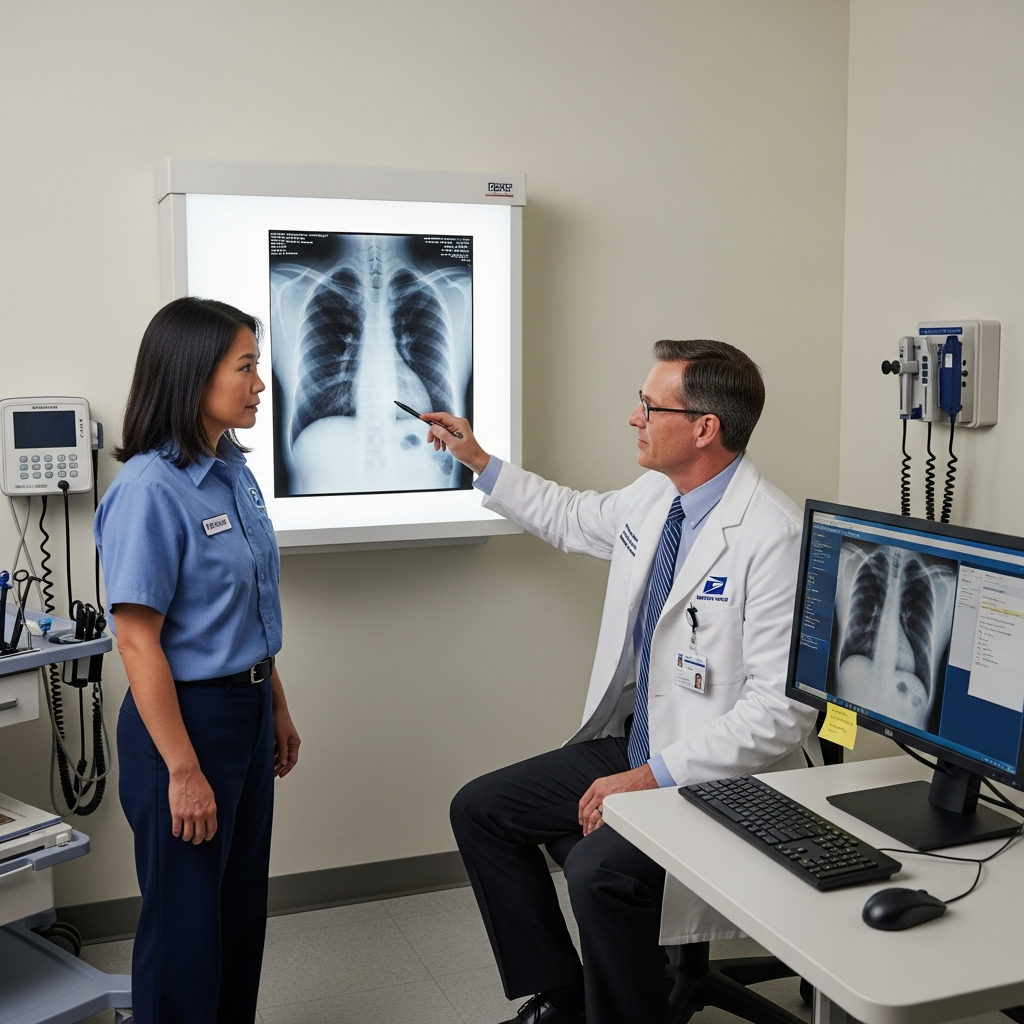
You’re rushing to catch the morning train when it happens – that awkward step off the platform that sends a jolt of pain shooting through your knee. Or maybe it’s the way your back seizes up after lifting those heavy files in the federal office where you’ve worked for the past eight years. At first, you brush it off. We all do, right? Pop an ibuprovin, apply some ice, and hope it goes away.
But three weeks later, you’re still limping. The pain isn’t just lingering – it’s getting worse. Your supervisor notices you wincing every time you stand up from your desk. That’s when someone in HR mentions something about “federal workers’ compensation” and throws around terms like “DOL doctor” and “independent medical exam.”
And suddenly, you’re thrust into this maze of acronyms and procedures that feels about as welcoming as a tax audit.
Here’s the thing that nobody really explains upfront: when you’re injured on the job as a federal employee, you’re not just dealing with regular workers’ comp. You’re navigating the Department of Labor’s Office of Workers’ Compensation Programs (OWCP) – and that’s a whole different beast entirely. It’s got its own rules, its own doctors, and honestly… its own language that can make you feel like you need a translator just to understand what’s happening to your own medical care.
That DOL doctor everyone keeps mentioning? They’re not just another physician in the mix. They’re actually a pretty crucial player in determining whether you’ll get the treatment you need, how long you’ll be off work, and – let’s be real about this – how much financial support you’ll receive while you’re healing. Yet most federal employees have never heard of them until they’re sitting in an unfamiliar medical office, wondering why this doctor they’ve never met before gets to make decisions about their recovery.
I’ve seen too many hardworking federal employees stumble through this process without really understanding what’s happening. They show up to these appointments unprepared, not knowing what questions to ask or even what the doctor’s role actually is. Some think it’s just another routine medical visit. Others assume the worst – that this doctor is there to prove they’re faking their injury.
The truth? It’s somewhere in between, and understanding exactly where can make all the difference in your case.
You see, DOL doctors serve a specific function that’s designed to be objective and independent. They’re brought in when there are questions about your diagnosis, treatment plan, or ability to return to work. Sometimes your treating physician and the OWCP claims examiner don’t see eye to eye on your condition. Other times, there might be conflicting medical opinions about what kind of treatment you need or whether your injury is truly work-related.
Think of the DOL doctor as a medical referee of sorts – someone who’s supposed to provide an unbiased professional opinion when there’s disagreement or uncertainty about your case. But here’s what makes this complicated: even though they’re meant to be neutral, their findings carry significant weight in determining your benefits. That independent medical examination (IME) report they write? It could influence everything from your treatment approval to your disability rating.
And that’s exactly why you need to know what you’re walking into.
Over the next few sections, we’re going to unpack exactly what DOL doctors do – not in confusing government-speak, but in plain terms that actually make sense. We’ll talk about when you might encounter one, what happens during those examinations, and most importantly, how to prepare yourself so you’re not caught off guard. We’ll also cover what these doctors can and can’t determine, because there are definitely limits to their role that might surprise you.
Whether you’re currently dealing with a federal work injury, worried about a nagging pain that won’t go away, or just want to understand your rights as a federal employee… well, let’s just say knowledge is power. Especially when that knowledge can help protect your health, your job, and your financial security.
Because at the end of the day, that’s what this is really about – making sure you get the care you need and the support you deserve.
The Federal Workers’ Compensation Maze
Think of federal workers’ compensation like a massive bureaucratic machine – and honestly, it can feel about as user-friendly as trying to operate heavy machinery with oven mitts on. When federal employees get hurt on the job, they don’t just walk into any doctor’s office like the rest of us might. Instead, they enter this specialized world where everything has acronyms, forms have sub-forms, and doctors need special credentials just to participate.
The Office of Workers’ Compensation Programs (OWCP) – which sounds important because it is – oversees this entire system. They’re basically the gatekeepers who decide what treatment gets approved, which doctors you can see, and whether your claim moves forward or gets stuck in administrative limbo.
DOL Authorization: Not All Doctors Are Created Equal
Here’s where things get interesting (and a bit frustrating, if we’re being honest). When you’re injured as a federal employee, you can’t just pop over to your family doctor or the urgent care down the street and expect OWCP to pay for it. Well, you *can*, but good luck getting reimbursed without jumping through approximately seventeen hoops.
Instead, you need what’s called a “DOL-authorized physician.” Think of it like having a VIP pass to an exclusive club – except the club is medical treatment, and the bouncer is federal bureaucracy.
These authorized doctors have gone through OWCP’s credentialing process, which means they understand the unique requirements of federal workers’ comp cases. They know how to document injuries properly, what forms to fill out (and trust me, there are forms), and how to communicate with OWCP in their preferred language of medical necessity and objective findings.
The Treatment Authorization Dance
Now, here’s where it gets a little… well, complicated doesn’t even begin to cover it. Even with a DOL-authorized doctor, not every treatment recommendation automatically gets the green light. It’s more like a careful negotiation between your doctor and OWCP.
Your authorized physician essentially becomes your advocate within the system. They’re not just treating your injury – they’re also building a case for why you need specific treatments, procedures, or medications. Every recommendation needs to be justified with medical evidence, documentation, and sometimes what feels like a small novel explaining why Physical Therapy Visit #12 is absolutely essential for your recovery.
The Documentation Kingdom
If regular medical care involves paperwork, federal workers’ comp cases exist in what I like to call the “Documentation Kingdom” – a land where forms reproduce like rabbits and every medical opinion needs to be written in triplicate.
Your DOL doctor becomes fluent in this bureaucratic language. They know that saying “patient needs physical therapy” isn’t enough – they need to explain the functional limitations, provide objective measurements, reference specific diagnostic criteria, and essentially write a compelling argument for why this treatment will get you back to work.
Actually, that last part – getting you back to work – is really the central theme of everything. OWCP isn’t just interested in making you feel better (though that’s nice too). They want to know how treatment will restore your ability to perform your federal job duties. Your authorized doctor needs to keep this bigger picture in mind with every treatment decision.
The Independent Medical Exam Wild Card
Sometimes, OWCP decides they want a second opinion – or what they call an Independent Medical Examination (IME). This is where things can get… let’s call it “interesting.” They’ll send you to another doctor (also DOL-authorized) who will evaluate your condition and provide their own report.
These IME doctors are supposed to be neutral, but they often end up playing a decisive role in whether your treatment continues or your case gets closed. It’s like having a referee step into the middle of your medical care – sometimes they confirm what your treating doctor has been saying, and sometimes they throw everything into question.
Why This System Exists (Sort Of)
Look, I know this all sounds unnecessarily complicated – because, frankly, it often is. But the system exists to prevent fraud, ensure appropriate medical care, and manage costs across thousands of federal employees. Whether it accomplishes these goals efficiently… well, that’s probably a conversation for another day.
The key thing to understand is that your DOL-authorized doctor isn’t just your physician – they’re your guide through this maze, your translator for bureaucratic speak, and often your strongest advocate for getting the care you need.
How to Make the Most of Your DOL Doctor Appointment
Here’s what nobody tells you about walking into that examination room: preparation is everything. And I mean everything – not just showing up on time with your paperwork.
Start by creating what I call your “symptom story.” Write down specific examples of how your injury affects your daily life. Don’t just say “my back hurts.” Instead, document that you can’t lift your coffee pot in the morning without shooting pain, or that you have to use both hands to pick up a gallon of milk. The DOL doctor needs concrete details, not vague complaints.
Bring every single medical record you can get your hands on. Yes, even that emergency room visit from two years ago that seemed unrelated. These doctors are looking for patterns, and sometimes a seemingly minor detail becomes crucial to your case. I’ve seen claims hinge on a single MRI report that someone almost forgot to bring.
What to Expect During the Examination
Don’t be surprised if the appointment feels… clinical. These aren’t your warm, fuzzy family doctor visits. DOL doctors are working within a specific framework, and their job is to assess your functional capacity – not necessarily to make you feel better about your situation.
They’ll likely put you through a series of physical tests. Some might seem silly (can you walk on your heels? squat down and stand back up?), but each movement tells them something specific about your limitations. Be honest about what hurts, but don’t oversell it either. If you can do something with mild discomfort, say so. If it causes significant pain, be clear about that too.
The key thing to remember? This doctor has probably seen hundreds of cases like yours. They’re trained to spot inconsistencies, so don’t try to “perform” your symptoms. Just be genuinely yourself – limitations and all.
The Questions That Actually Matter
When the DOL doctor asks about your work duties, get specific. Really specific. Don’t just say “I lift heavy things.” Break it down: “I regularly lift boxes weighing 30-50 pounds from floor level to shoulder height, about 40 times per shift.” That level of detail helps them understand exactly how your injury impacts your job performance.
They’ll also ask about your daily activities. Here’s where people often make mistakes – they either minimize what they can do (thinking it’ll help their case) or they’re too vague. Instead, paint a realistic picture. “I can grocery shop, but I need my spouse to lift anything over 10 pounds, and I have to take breaks halfway through the store.”
Understanding the Report That Follows
Once your examination is complete, the waiting game begins. The DOL doctor will compile their findings into a report that becomes part of your official file. This isn’t just a medical opinion – it’s a legal document that can make or break your case.
The report will typically include your functional capacity – basically, what they think you can and can’t do work-wise. Pay close attention to this section when you receive a copy. If something seems off or doesn’t match what you discussed during the exam, speak up immediately. Don’t let errors slide, thinking they’re minor details.
When Things Don’t Go According to Plan
Sometimes – and let’s be honest here – the DOL doctor’s assessment doesn’t align with your experience or your treating physician’s opinion. This isn’t necessarily the end of the world, but it does require strategy.
First, don’t panic. These reports aren’t carved in stone. If you genuinely believe the assessment is inaccurate, you have options. Your attorney can request additional examinations or challenge specific findings. But here’s the thing – you need solid medical documentation to back up your position.
Building Your Support Network
One last piece of advice that might seem obvious but gets overlooked: stay connected with your treating physicians throughout this process. The DOL doctor provides one snapshot in time, but your regular doctors have the full movie of your recovery (or lack thereof).
Keep detailed records of how you’re feeling day to day. I’m talking about a simple journal – nothing fancy. Just note your pain levels, what activities were difficult, how you slept. This creates a pattern that supports your case and helps your doctors provide better ongoing care.
Remember, the DOL doctor is just one piece of a larger puzzle. Their assessment matters, sure, but it’s not the only voice in determining your benefits.
When Your DOL Doctor Disagrees with Everyone Else
Here’s where things get messy – and honestly, it happens more often than anyone wants to admit. Your treating doctor says you need surgery. Your employer’s doctor says you’re fine to work. And somewhere in the middle sits your DOL physician, trying to make sense of completely conflicting medical opinions.
It’s like being stuck in a really expensive game of medical telephone, except the stakes are your livelihood and health benefits. The DOL doctor isn’t trying to be difficult… they’re just looking at the same injury through a completely different lens than your regular doctor.
The reality? Sometimes your DOL doctor will side with restrictions that feel too conservative. Sometimes they’ll clear you for work when you still feel awful. And yes, sometimes they’ll recommend treatments that seem to come out of left field.
The solution isn’t to get frustrated (okay, you can get frustrated for like five minutes). Instead, bring documentation. Lots of it. Your regular doctor’s notes, recent test results, even a simple daily symptom diary. The more information your DOL doctor has, the better they can understand what you’re actually experiencing – not just what shows up on paper.
The Scheduling Nightmare That Nobody Warns You About
Let’s talk about something that’ll make your eye twitch: trying to actually get an appointment with your assigned DOL doctor. You’d think since this is a federal program, scheduling would be streamlined and efficient. You’d be wrong.
Some DOL doctors have waiting lists that stretch for months. Others are only in certain cities on specific days. And don’t even get me started on trying to reschedule if you have to cancel – you might as well plan on waiting until next season.
Here’s what actually works: Be flexible with your timing if at all possible. Take that 7 AM slot or the late Friday appointment. Most people avoid these times, so you’ll get in faster. Also – and this is crucial – confirm your appointment 48 hours before. Not because you might forget, but because sometimes *they* forget to update their schedule when doctors are out sick or traveling.
If you’re facing a months-long wait and your benefits are hanging in the balance, don’t just sit there. Contact your claims examiner and explain the delay. Sometimes they can help expedite things or find an alternative doctor with better availability.
When the Report Makes No Sense
You’ve been waiting weeks for your DOL evaluation report, and when it finally arrives… it’s like it’s describing someone else’s injury entirely. Maybe they got your dominant hand wrong. Maybe they completely missed your most significant symptoms. Or – my personal favorite – they’ve somehow concluded you can lift 50 pounds when you can barely manage a coffee cup.
Don’t panic. These reports aren’t carved in stone, despite how official they look.
First, read through everything carefully with a highlighter. Mark anything that’s factually incorrect – wrong dates, wrong body parts, missed symptoms you clearly discussed. Then write a simple, factual letter to the DOL doctor pointing out these specific errors. Not an emotional plea… just “On page 2, you noted the injury was to my left shoulder, but it’s actually my right shoulder as documented in my file.”
Most DOL doctors will issue corrections for clear factual errors. They’re not trying to sabotage your case – they see dozens of patients and sometimes details get mixed up.
The “Independent” Doctor Who Isn’t
Here’s something that might sting a little: your DOL doctor might not feel as independent as you’d hoped. They know who’s paying their fee. They understand the federal government’s interest in controlling costs. And sometimes – just sometimes – this creates subtle pressure to be more conservative with restrictions and recommendations.
I’m not suggesting conspiracy theories here. Most DOL doctors are genuinely trying to be fair and objective. But they’re human, and humans respond to incentives whether they mean to or not.
Your best defense? Be your own advocate. Ask questions during the examination. “Doctor, can you explain why you think I can return to full duty when I’m still having significant pain with overhead reaching?” Don’t be confrontational, but don’t be passive either.
And remember – the DOL evaluation is just one piece of your case. Your treating doctor’s opinions still matter. Your work restrictions still matter. The DOL doctor’s report is influential, but it’s not the final word on everything.
What to Expect During Your DOL Doctor Evaluation
Let’s be honest – walking into a DOL doctor’s office can feel pretty nerve-wracking. You’re probably wondering what they’ll ask, how long it’ll take, and whether they’ll actually believe what you’re going through. The good news? Most DOL doctors are thorough professionals who understand that federal workers deal with real injuries that need real solutions.
Your appointment will typically last anywhere from 45 minutes to two hours, depending on your case complexity. Don’t expect a quick in-and-out visit like you might have at urgent care. These doctors need to document everything meticulously because their findings directly impact your benefits and treatment options.
You’ll spend time going over your work history, the incident that caused your injury, your current symptoms, and how the injury affects your daily life. Be prepared to describe your pain levels, what makes things better or worse, and how your condition impacts your job duties. Actually, bring a list – trust me, you’ll forget half of what you wanted to say once you’re sitting there.
The physical examination portion varies dramatically based on your injury type. A back injury evaluation looks nothing like an assessment for carpal tunnel syndrome or a traumatic brain injury. Some doctors are chatty during the exam, explaining what they’re checking… others work in focused silence. Both approaches are perfectly normal.
The Waiting Game (And Why It Takes So Long)
Here’s where expectations need a reality check – DOL doctors don’t hand you results on your way out the door. Their reports typically take two to four weeks to complete, sometimes longer if your case is particularly complex or if they need to review extensive medical records.
I know, I know… when you’re dealing with pain and uncertainty about your future, waiting feels impossible. But these reports are incredibly detailed documents that can run 10-20 pages or more. They’re reviewing your entire medical history, correlating it with your work duties, and making determinations that will guide your care for months or years to come.
During this waiting period, continue following your current treatment plan. Don’t make major decisions about returning to work or accepting settlements until you have the DOL doctor’s findings in hand. Their assessment could significantly change your case’s trajectory.
Understanding Your Report Results
When that report finally arrives – usually through your claims examiner rather than directly from the doctor – you might feel overwhelmed by the medical jargon. Don’t panic if you need to read it three times to make sense of everything.
The report will address several key questions: Is your condition work-related? What’s your current level of impairment? Can you return to your regular job duties? What treatment recommendations do they have? Are you at maximum medical improvement, or is further healing expected?
Sometimes the findings align perfectly with what you and your treating physician have been saying all along. Other times… well, sometimes there are surprises. Maybe they identify additional issues you hadn’t connected to your workplace injury, or perhaps they have a different perspective on your treatment needs.
Moving Forward After the Evaluation
Once you have the DOL doctor’s report, several things typically happen relatively quickly. Your claims examiner will review the findings and determine how they affect your benefits. If the doctor recommends specific treatments, you’ll likely get approval for those services within a few weeks.
If you’re cleared to return to work – even with restrictions – expect conversations with your supervisor about accommodation options. Federal agencies are generally pretty good about working with injured employees, but the process isn’t always smooth. Be patient but persistent in advocating for appropriate accommodations.
Sometimes the DOL doctor’s findings create new questions or concerns. Maybe they recommend a specialist you haven’t seen yet, or suggest treatments your current doctor hadn’t considered. These developments aren’t necessarily bad – they’re part of ensuring you get comprehensive care.
When Things Don’t Go as Expected
Let’s talk about the elephant in the room – what if you disagree with the DOL doctor’s findings? It happens more often than you might think, and you’re not powerless in these situations.
You have appeal rights, and you can request a second opinion from another DOL-approved physician. The process takes time (sensing a theme here?), but it’s absolutely an option worth exploring if the findings seem inconsistent with your experience and other medical documentation.
Remember, this evaluation is just one piece of your larger workers’ compensation case. While it carries significant weight, it’s not necessarily the final word on your situation.
You know, when I first started learning about federal workers’ compensation, the whole DOL doctor system felt like trying to navigate a maze blindfolded. There are so many moving parts – independent medical exams, second opinion doctors, referee physicians – and honestly? It can feel overwhelming when you’re already dealing with a work injury and just want to get better.
But here’s what I’ve come to understand after years of helping people through this process: having the right medical advocate in your corner changes everything. These DOL physicians aren’t just checking boxes or rubber-stamping decisions. The good ones? They’re genuinely trying to piece together your medical puzzle, understand how your injury affects your daily life, and provide an honest assessment that helps move your case forward.
That said – and this is important – you don’t have to face these evaluations alone. Whether you’re preparing for your first IME or dealing with conflicting medical opinions that have your case stuck in limbo, there’s real value in having someone who understands both the medical and administrative sides of workers’ comp on your team.
I think about Sarah, one of our patients who came to us after months of frustration with her OWCP case. She’d been to three different DOL doctors, gotten conflicting reports, and felt like she was speaking a different language than everyone else involved in her care. Working together, we helped her prepare for her next evaluation, made sure her medical history was clearly documented, and – perhaps most importantly – helped her feel confident advocating for herself.
The truth is, federal workers’ comp cases can drag on for months… sometimes years. The paperwork feels endless, the medical evaluations can be stressful, and there are moments when you might wonder if anyone really understands what you’re going through. You’re not imagining it – this stuff is genuinely complex, even for healthcare professionals who don’t specialize in occupational medicine.
But you don’t have to become an expert in DOL procedures or workers’ comp law to get the care you deserve. What matters most is having a clear understanding of your rights, proper preparation for medical evaluations, and – crucially – a healthcare team that gets how these federal cases work.
Ready to Take the Next Step?
If you’re feeling stuck in the workers’ comp system, confused about an upcoming DOL evaluation, or just need someone to help you make sense of all those medical reports piling up on your kitchen table… we’re here.
Our team has guided hundreds of federal employees through this exact process. We know which questions the DOL doctors typically ask, how to present your symptoms clearly, and most importantly – how to ensure your voice is heard throughout your case.
You don’t need to have everything figured out before you call. Maybe you’re just starting the workers’ comp process, or perhaps you’ve been dealing with this for months and need a fresh perspective. Either way, we’d love to chat about how we can support you.
Give us a call when you’re ready. No pressure, no sales pitch – just real people who understand what you’re going through and want to help you move forward with confidence.